Caring Sanctuary in India Restores Health, Wellbeing and Dignity for Rescued Elephants
In Karnataka, India, the Wildlife Rescue and Rehabilitation Centre (WRRC), supported by Animal Aid Abroad, provides holistic rehabilitation for elephants rescued from decades of exploitation. Through veterinary care, tailored nutrition, and enrichment activities, these gentle giants are regaining health, dignity, and the ability to express natural behaviours.
The Reality of Captive Elephants in India
India is home to nearly 4,000 captive elephants, many of whom endure harsh conditions. Taken from the wild at a young age, they are often separated from their families, subjected to coercive training, and deprived of proper nutrition and medical care. These experiences leave lasting physical injuries and psychological trauma. Rehabilitation in sanctuaries like WRRC is essential, offering elephants the chance to heal and rediscover their natural spirit.
Medical Care and Wellbeing Support
Between April and June, WRRC’s herd of seven elephants remained stable under close veterinary supervision. Weight management programs helped Durga, Gowri, and Janumani achieve healthier body conditions, while Lakshmi and Rani maintained stable weights. Tailored supplement protocols, parasite prevention, and routine vaccinations ensured overall wellbeing.
The facility welcomed a new arrival, Hampi Lakshmi, who came with chronic skin disease, musculoskeletal issues, and signs of psychological distress. Since her rescue, she has shown encouraging progress thanks to intensive veterinary care, improved nutrition, and enrichment activities.
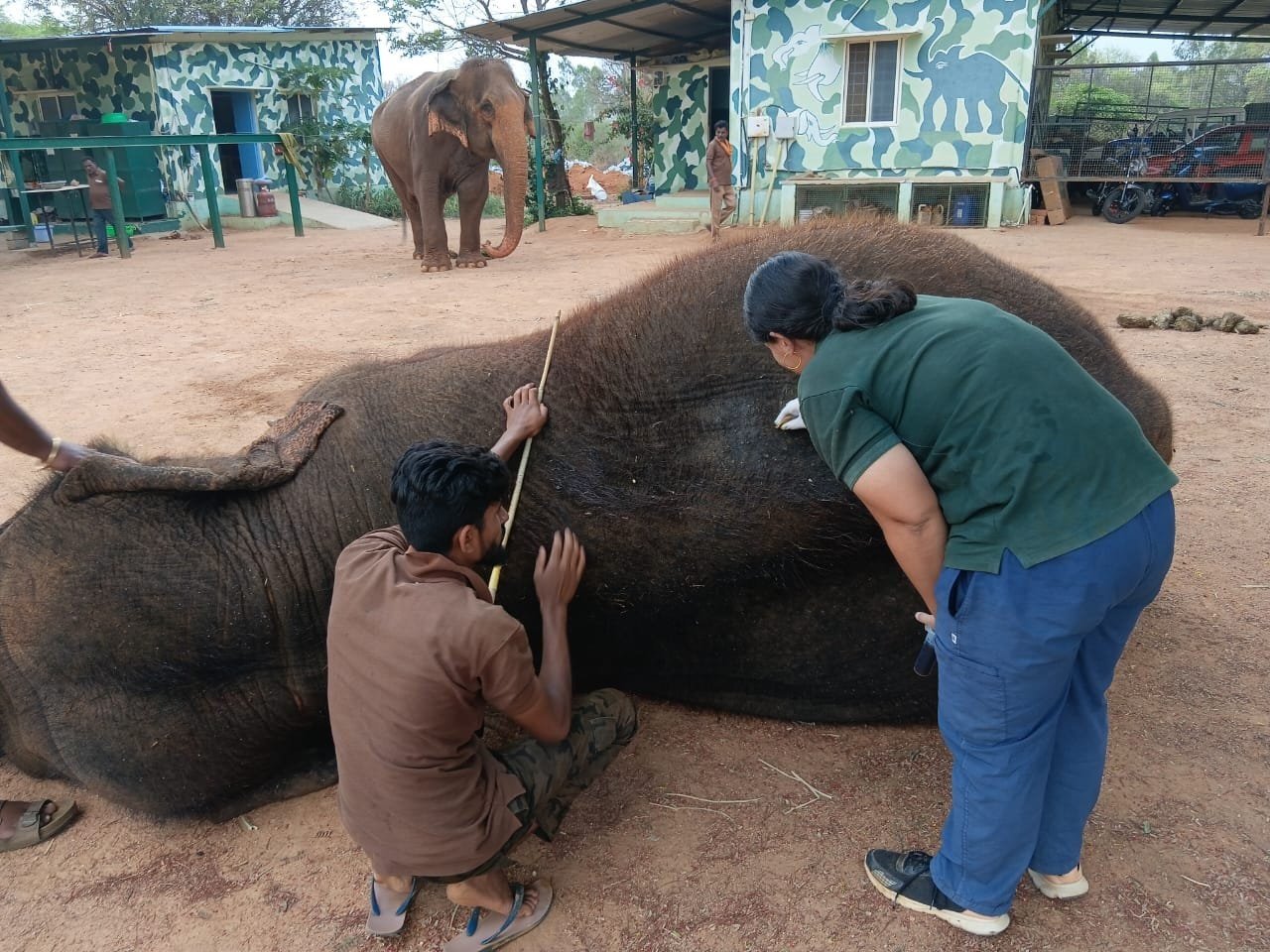
Routine veterinary examination in progress
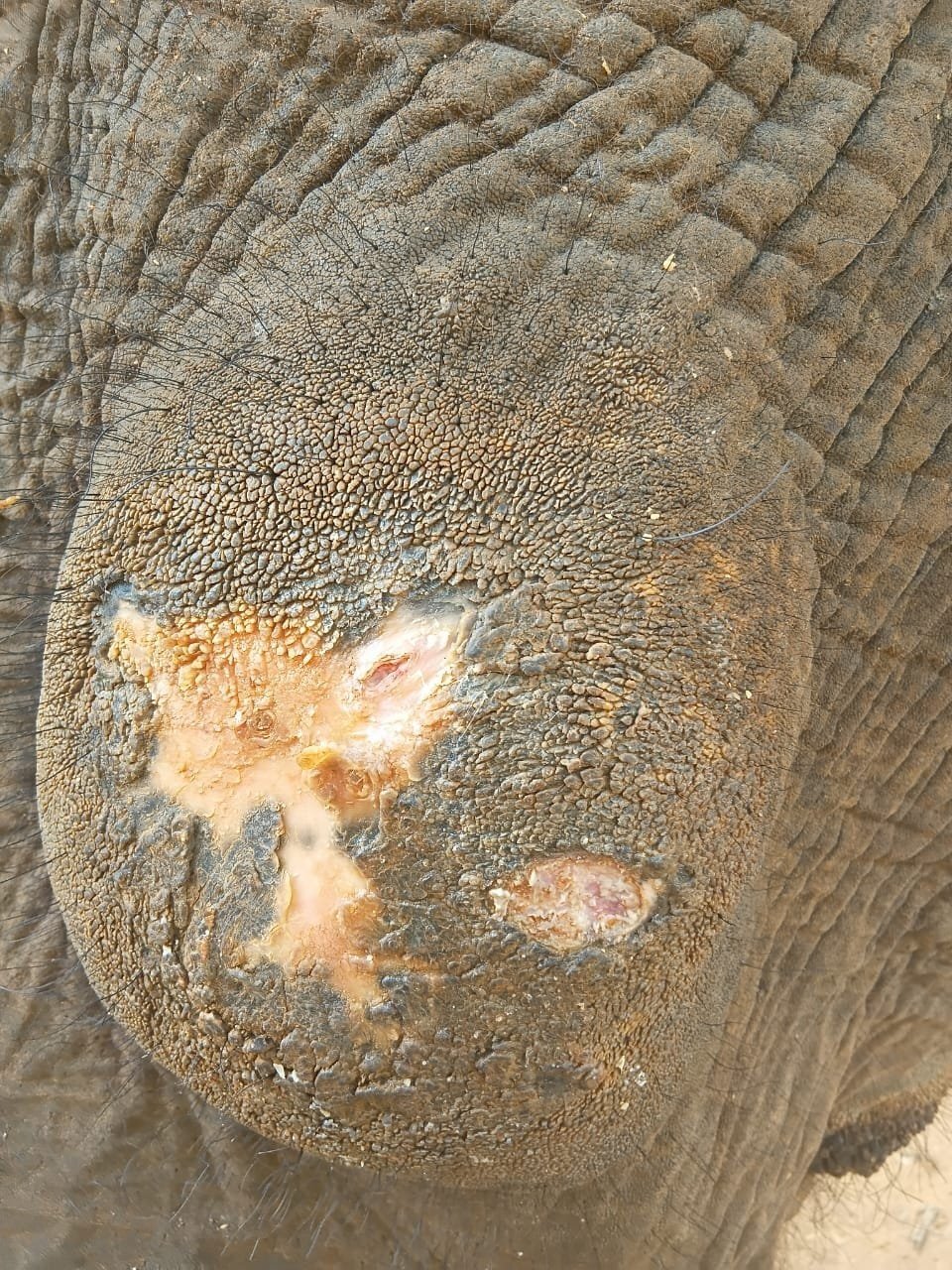
Close attention to an open wound during dressing
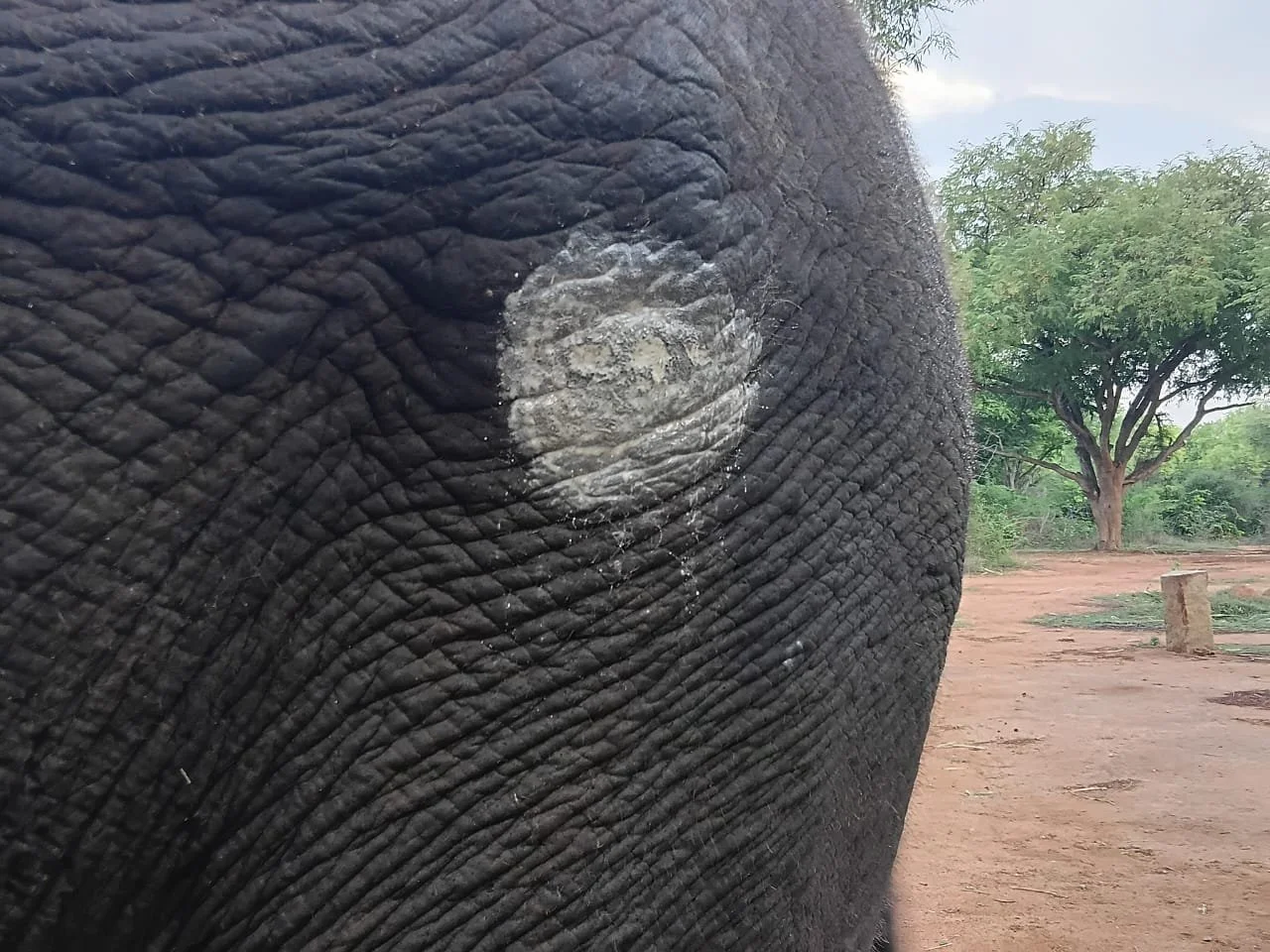
A healed lesion - evidence of recovery over time
Rehabilitation Through Nutrition and Enrichment
Daily feeding schedules provide balanced diets of sprouts, fruits, vegetables, grass, and ragi balls, tailored to each elephant’s needs. Enrichment activities simulate natural behaviours, including bathing, grazing, mud soaks, and social interaction. These interventions help restore physical health and reduce stress, while encouraging elephants to reconnect with their instincts.
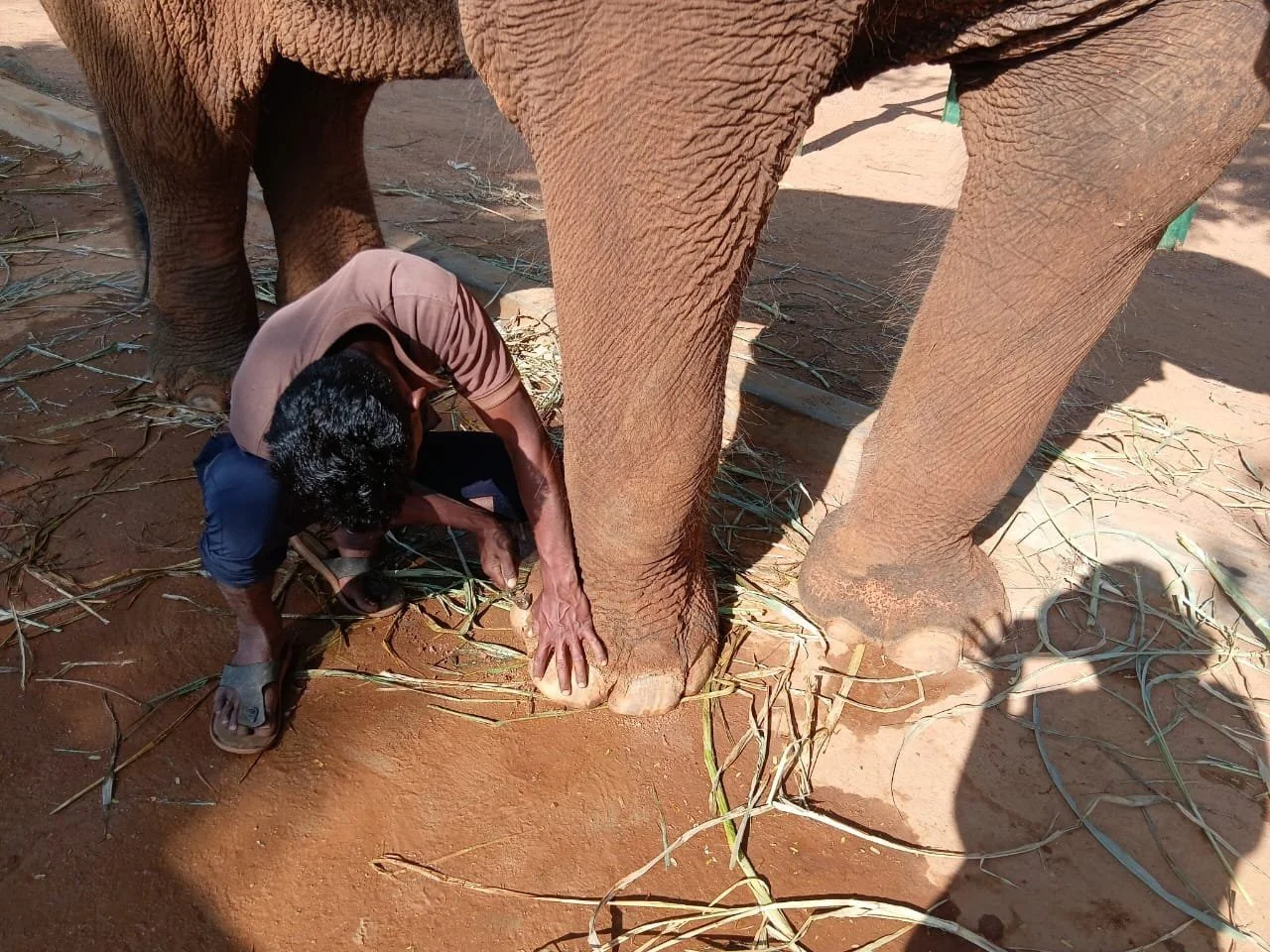
Careful daily foot inspection by the care team
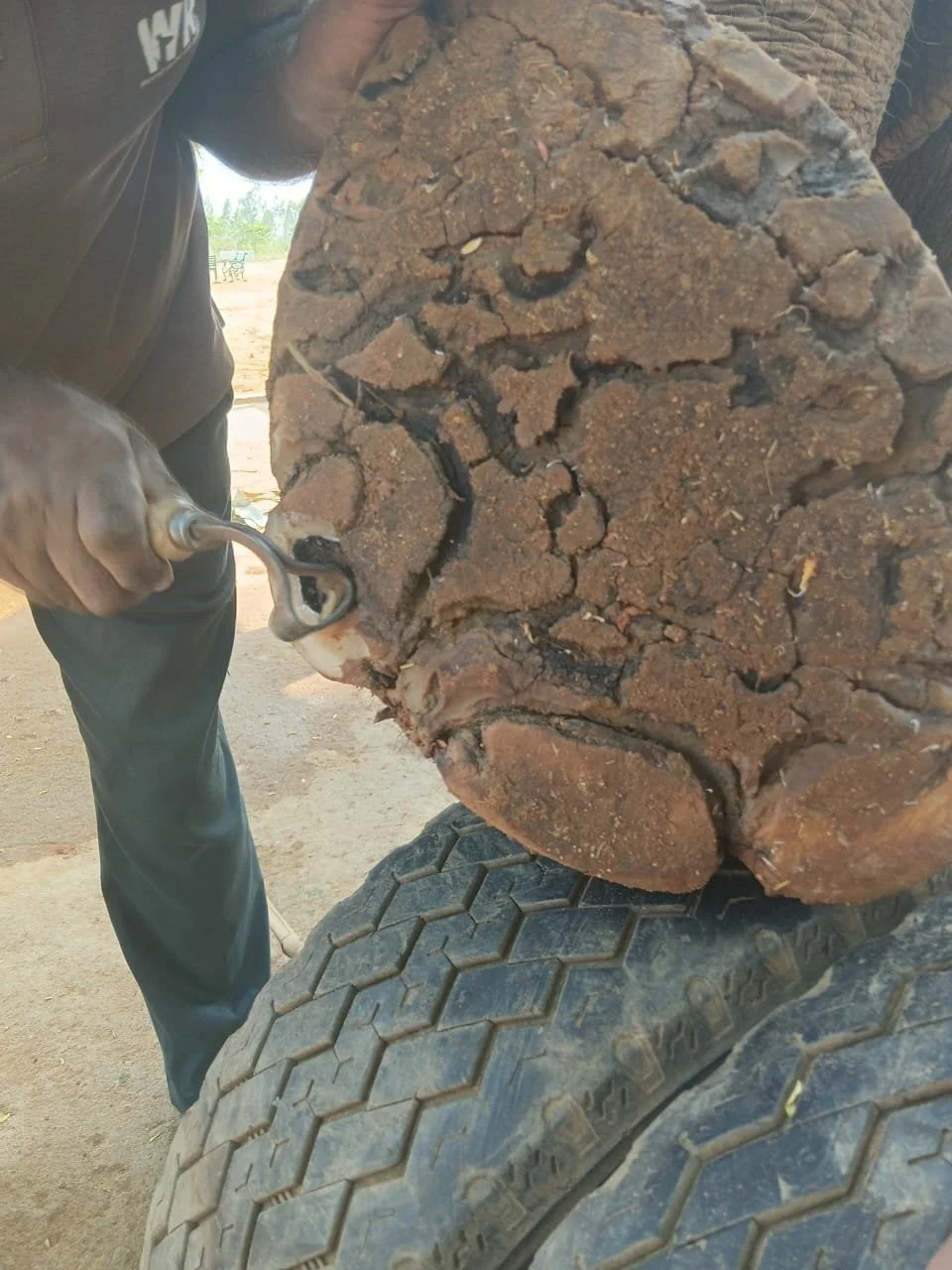
Treating a cracked, overgrown foot pad
Case Study: Hampi Lakshmi’s Transformation
Hampi Lakshmi spent decades as a temple elephant, living on hard stone floors, subsisting on inadequate diets, and performing for visitors. She arrived at WRRC with cracked foot pads, chronic dermatitis, and signs of psychological trauma. Since her transfer, she has received advanced veterinary care, hydrotherapy, and supervised nutrition. Her progress demonstrates the profound impact of specialised rehabilitation in a naturalistic environment.
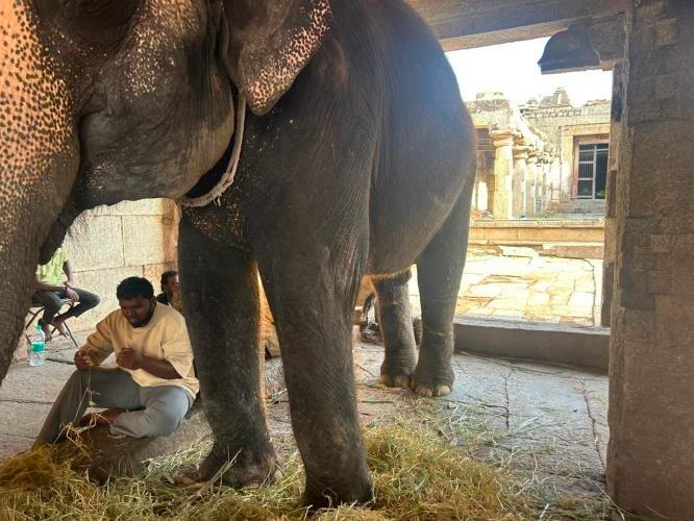
Abnormal posture and weight-bearing from restricted movement
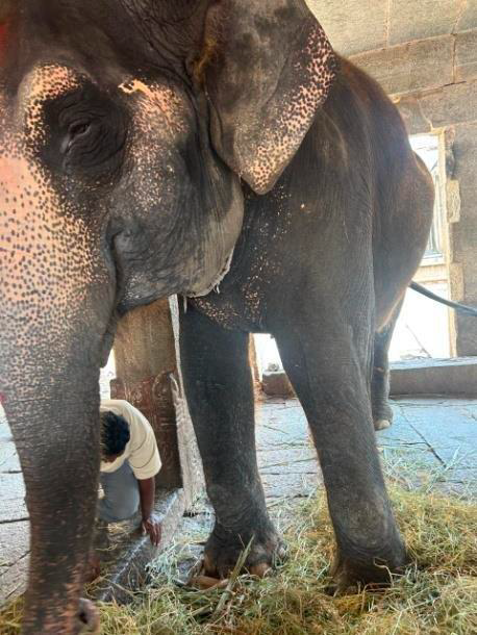
Poor body condition on assessment, reflecting an inadequate diet
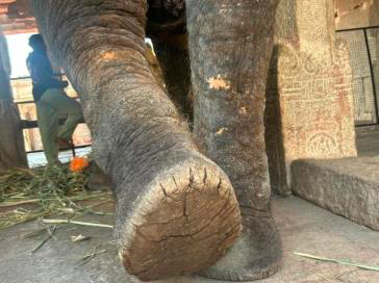
Cracked, overgrown feet showing chronic foot-pad disease
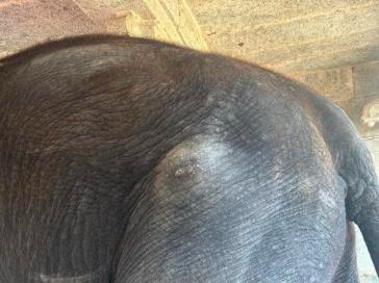
Chronic dermatitis and depigmented lesions on her skin
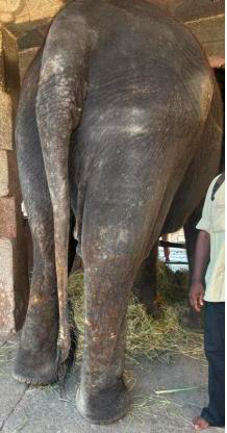
Thickened, cracked skin from years spent resting on hard stone flooring
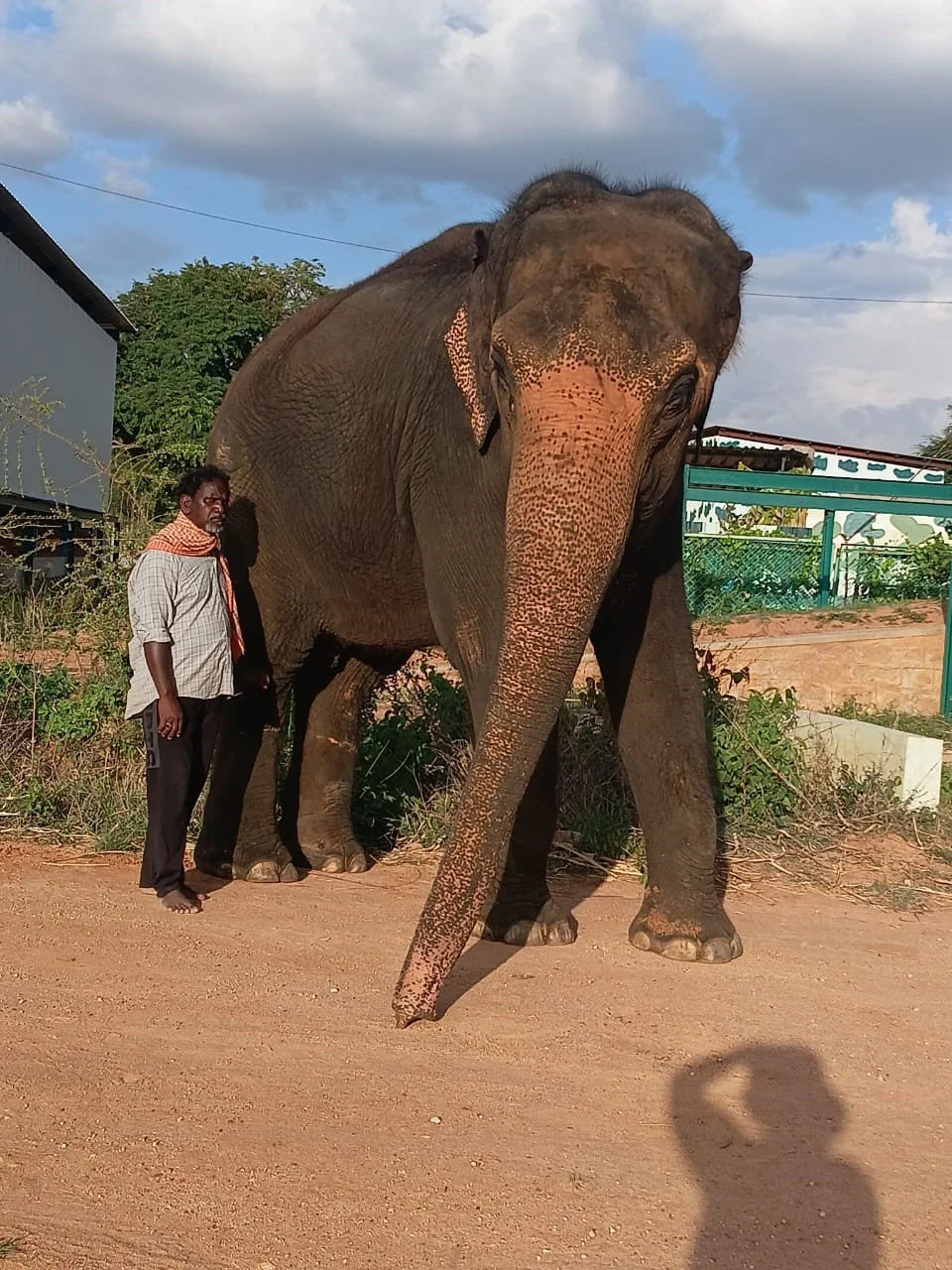
Hampi Lakshmi has made great progress and is settling in well at the sanctuary
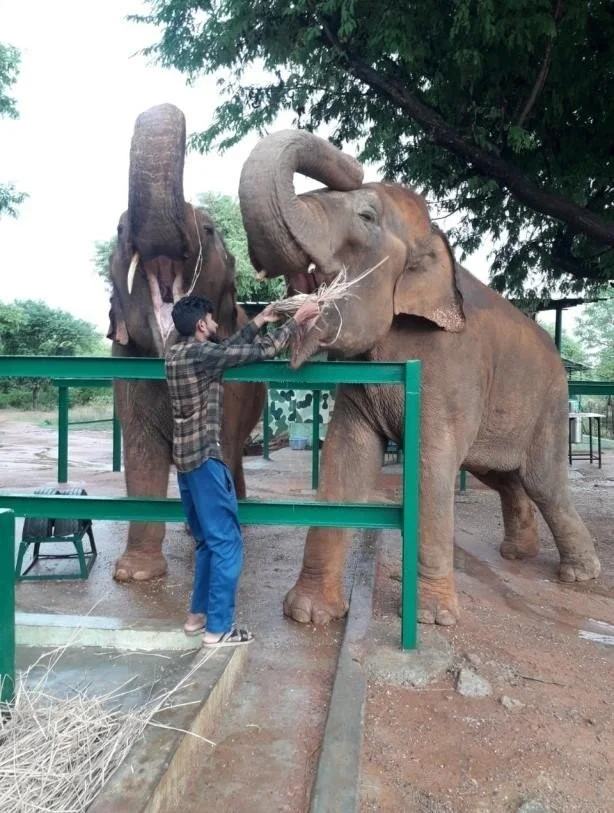
Hand-feeding fresh fodder as part of the morning routine
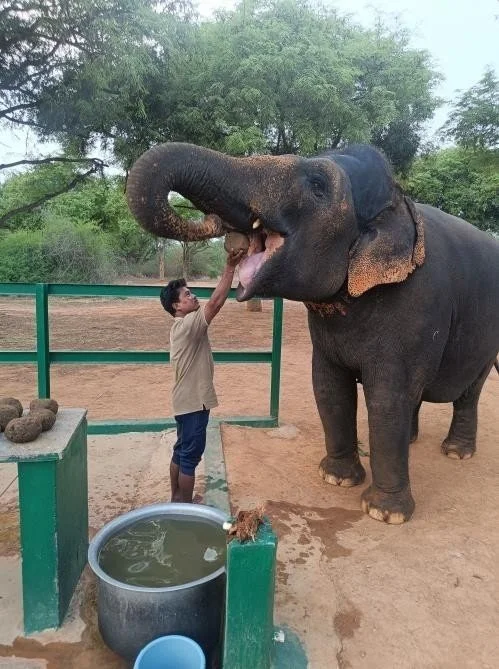
A well-earned coconut treat during the daily feeding round
Enrichment Activities for Elephant Rehabilitation
Enrichment activities at the Elephant Care Facility are intentional and structured interventions aimed at enhancing the physical health, psychological wellbeing, and expression of natural behaviours in captive elephants - particularly those undergoing rehabilitation after prolonged periods of neglect, injury, abuse, or inadequate care.
In the wild, elephants spend most of their day grazing, socialising, walking, bathing, and interacting with diverse stimuli in their environment. Captive conditions often limit these behaviours due to space constraints, predictable routines, and the psychological impact of trauma.
Enrichment at the facility seeks to bridge this gap by simulating key aspects of the wild and encouraging instinctive, species-appropriate behaviour.
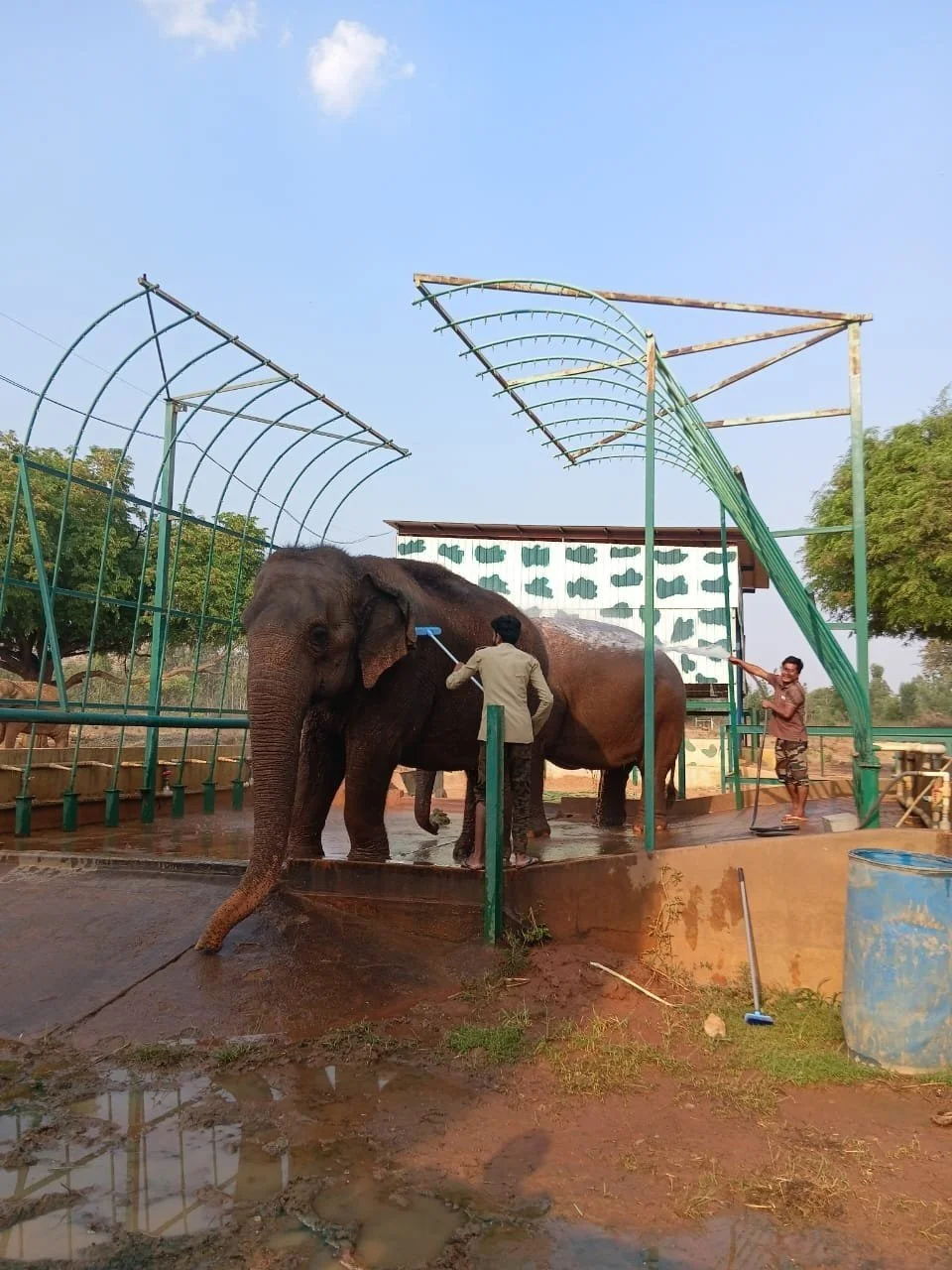
A gentle bath and scrub as part of the daily hygiene routine
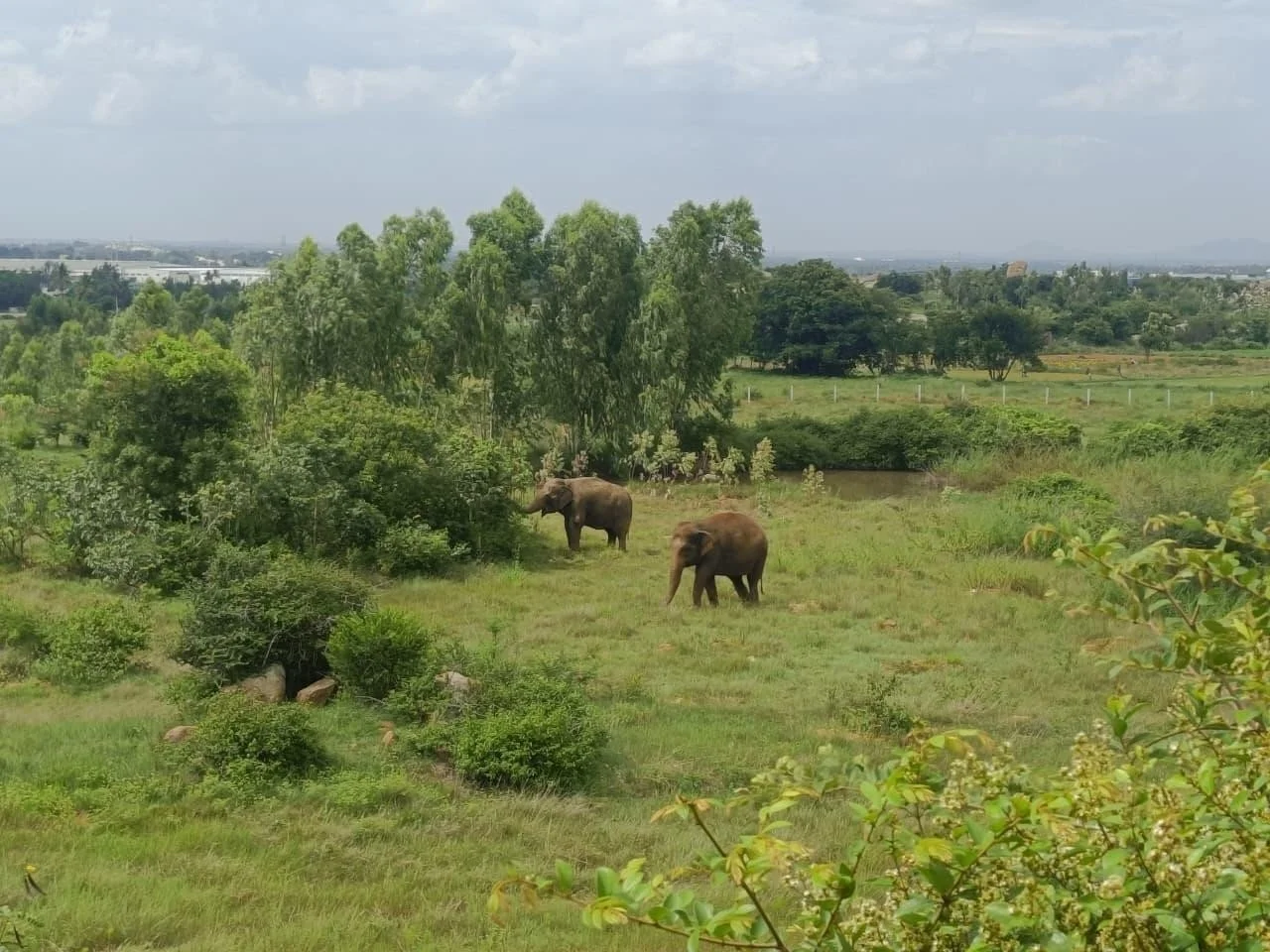
Free-roaming time in open, natural terrain — space to graze, explore and socialise as they would in the wild
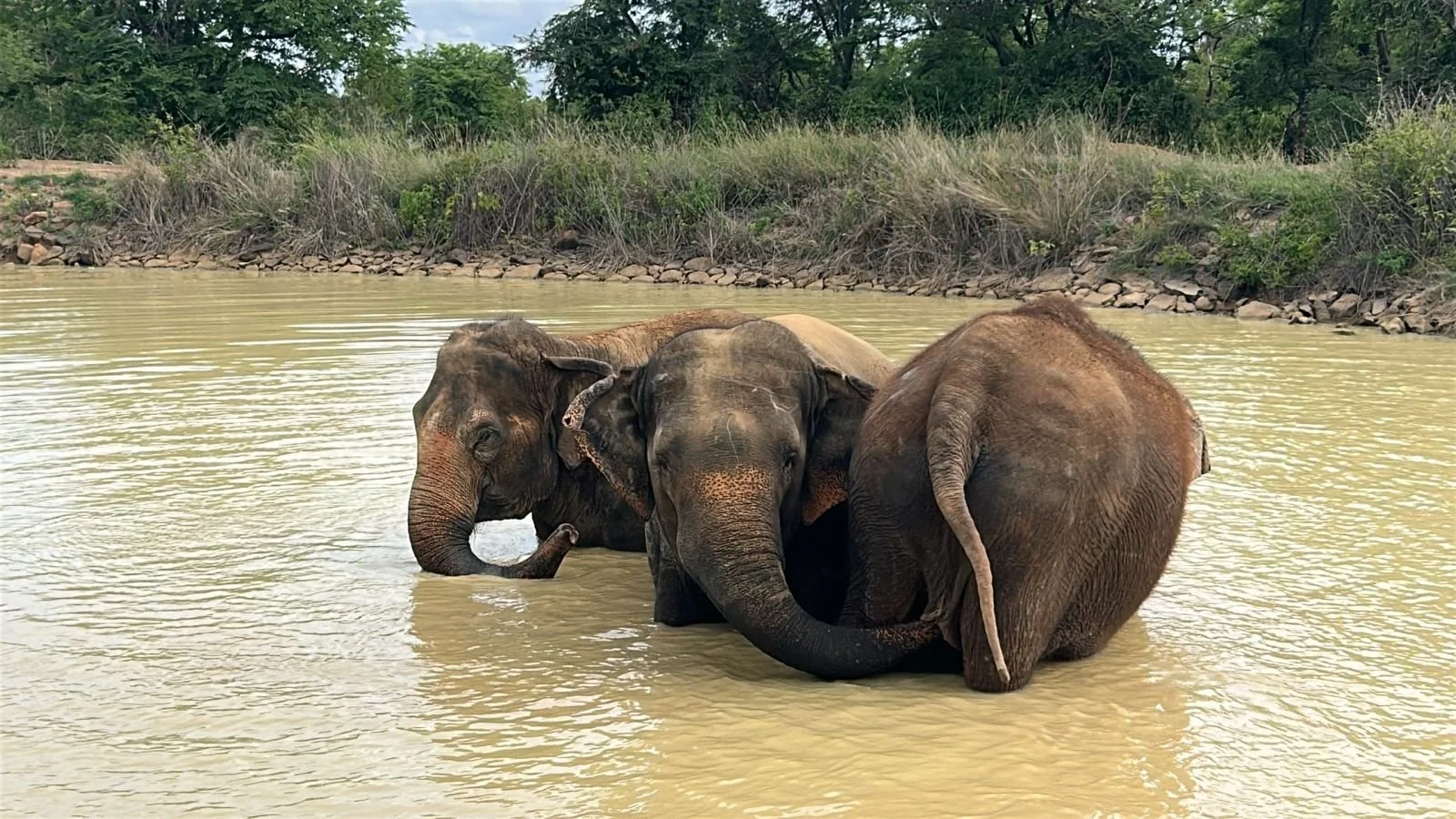
Elephants bathing together in the water — a favourite enrichment activity that also supports skin health
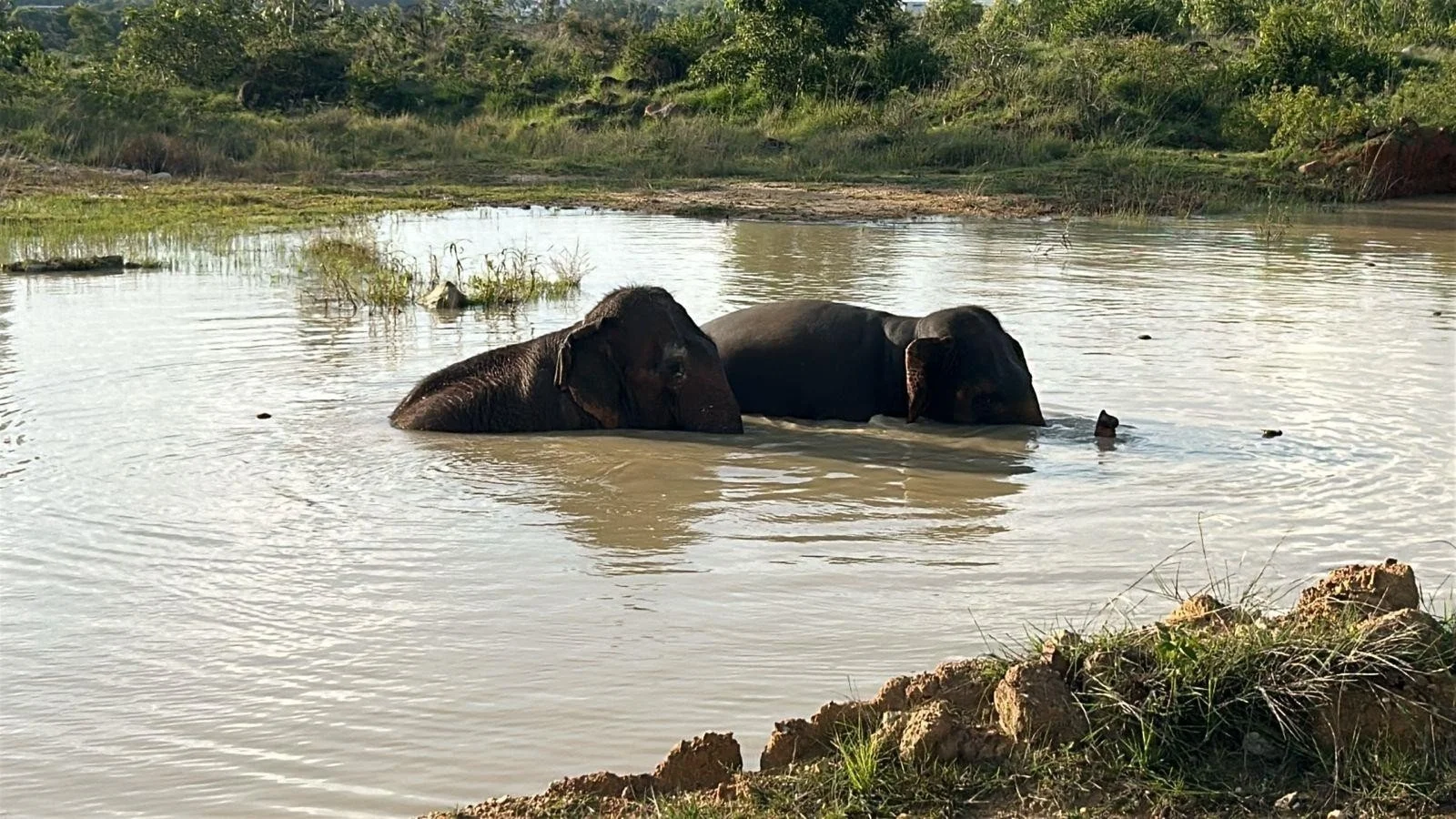
Cooling off together in the evening light
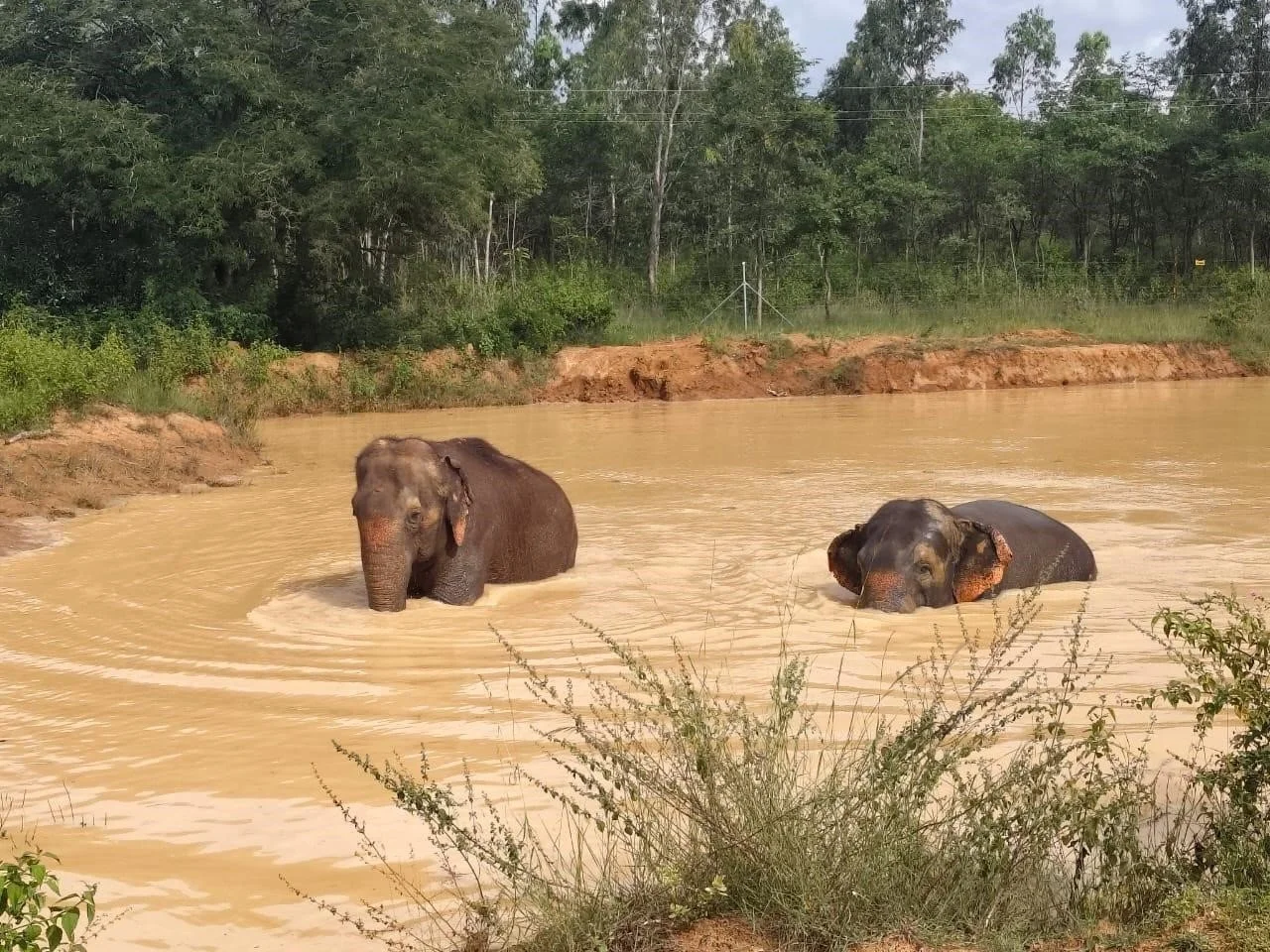
A mud pool soak — vital for skin health and a favourite form of enrichment
Building a Future of Compassion
The quarter highlighted the importance of sustained veterinary care, structured enrichment, and patient management for elephants recovering from years of neglect. WRRC’s work shows that with compassion and evidence‑based care, elephants can regain dignity and wellbeing.
This transformation is only possible because of your support. Every healed wound, every enrichment activity, and every rescued elephant reflects the generosity of AAA’s supporters, who make these partnerships for working animals a reality.